ROUTE OF THE CENTRAL PLAIN
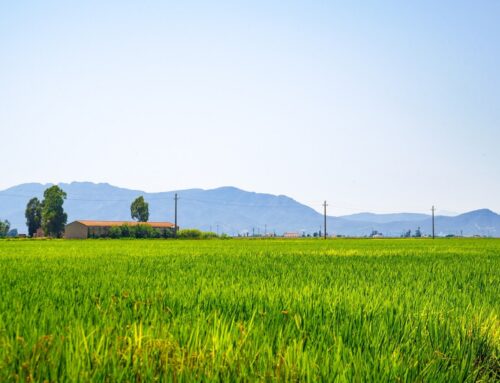
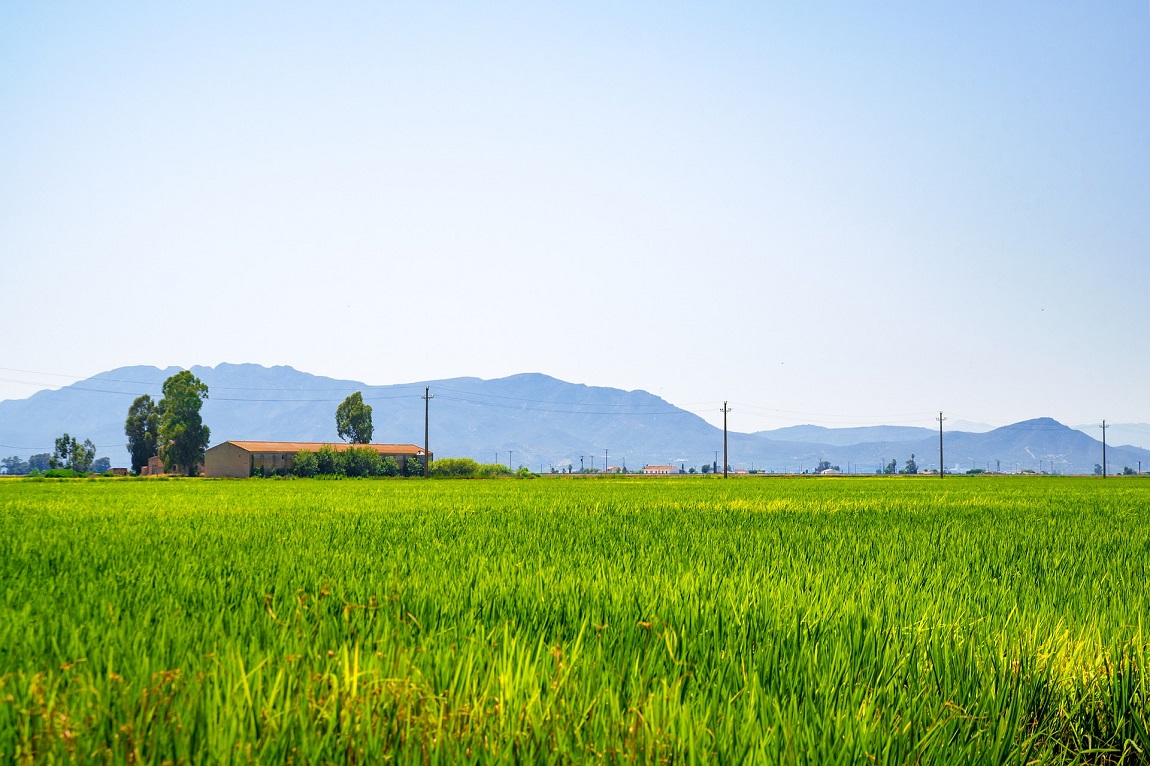
We enter the Alt Camp, a region located between the coast and the interior lands, basically agricultural in profile, with cereal crops, olive groves, hazelnut trees, almond trees, carob trees, legumes, vegetables and various types of fruit trees.


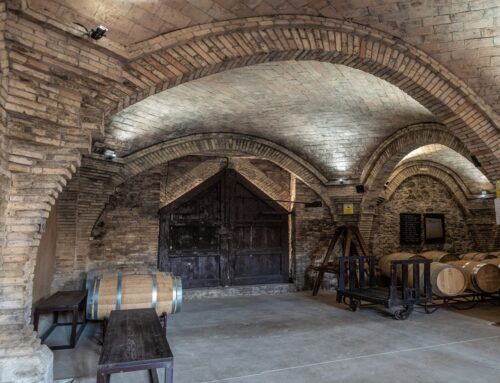
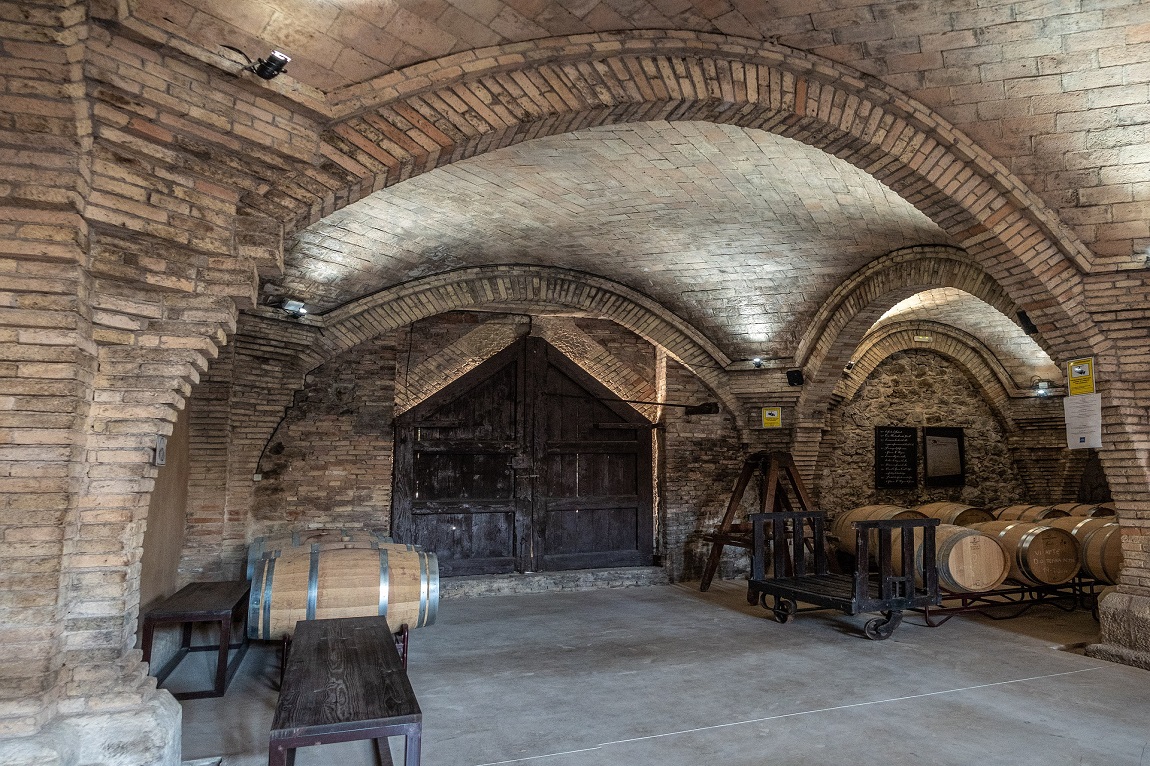
The cultivation of the vineyard is especially important, a clear example of which are the cooperative wineries that we find in many towns. Industry and commerce have been able to unite with the agricultural tradition of the region. Trade is especially important in Valls.
MONTFERRI
In this town is the architectural legacy that J.M. Jujol (a student of Gaudí) gave this region of l’Alt Camp a gift. It is the Sanctuary of the Mare de Déu de Montserrat, in a modernist style.
The construction of the Sanctuary began between 1926 and 1928. The domes that tower over the Sanctuary symbolize the silhouette of the mountains of Montserrat. The architectural ensemble also shows us some similarities with the temple of the Sagrada Familia.
Already in the town center we can also visit the Parish Church of St. Bartomeu, the castle of Rocamora and the Torre del Moro or Montferri which is a watchtower from which you can see an excellent view of l`Alt Camp.
BRÀFIM
Strolling through this town we can enter its old town, which is very attractive and welcoming due to its network of alleys and nooks and crannies.
In the Church of St. Jaume (Gothic-Baroque) we will find a Baroque altarpiece of great value. We can also visit the cooperative winery and the house of the village, the work of César Martinell.
On the outskirts and on top of a small hill stands the Hermitage of the Mare de Déu de Loreto, built at the end of the s. XIX on an old hermitage of 1665. They emphasize a wooden image of the Virgin and several frescoes.
VILABELLA
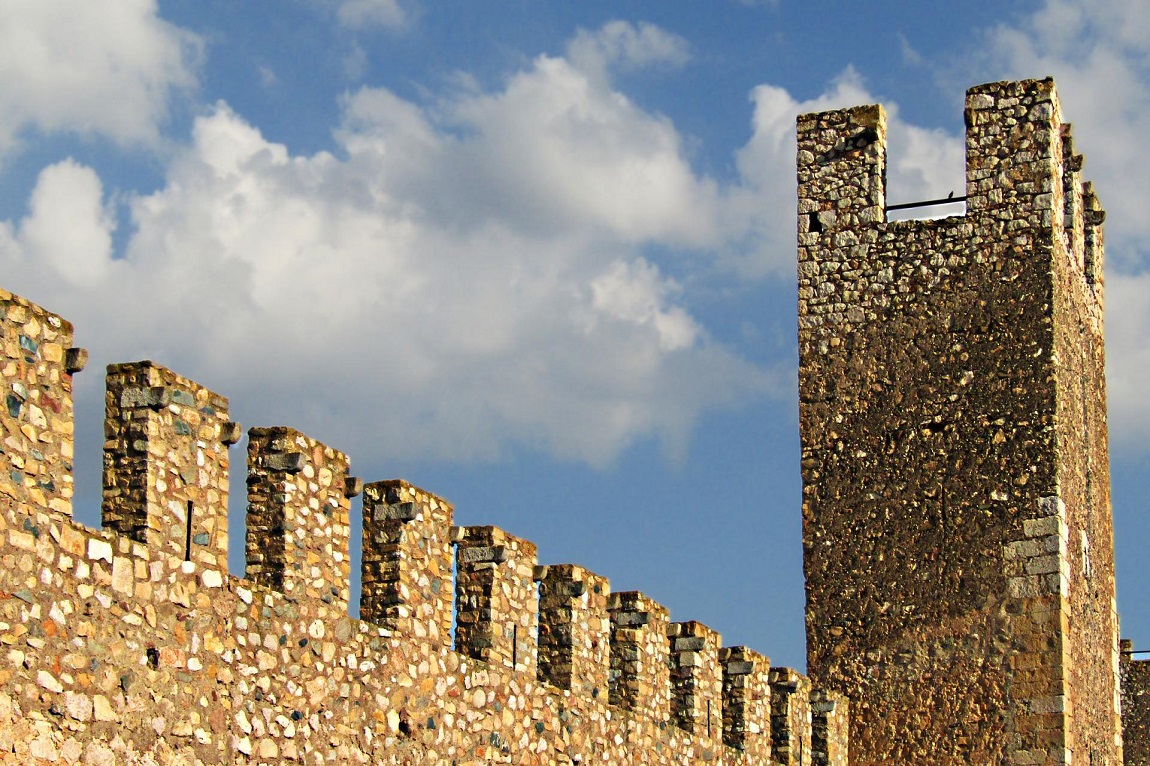
This town still keeps reminiscence of its medieval past thanks to its old town. The Portal de St. Pere and a Gothic staircase belonging to the old castle remain from the old walls.
The old Church of Sta. María, which according to tradition would have been blessed by St. Oleguer, preserves some elements from the 12th and 13th centuries. It is late Gothic in style and its slender bell tower stands out.
A remarkable visit is to the Ethnological Museum of the Countryside. The creation of this museum is due to the interest of the residents of this town in publicizing its deep agricultural roots.
NULLES
The most outstanding visit is, without a doubt, the Cooperative Winery in a modernist style and the work of the prolific architect César Martinell.
The parish church of St. Joan Baptista is in the neoclassical baroque style and was rebuilt in the s. XVIII.
Near the church are the remains of the old castle.
VALLS
We arrive at the capital of l’Alt Camp, famous above all for its commercial activity, its gastronomy where its famous calçots (tender onions cooked over a live fire) and its popular traditions, among which the Castells (human towers) stand out. Valls has two of the most important human tower groups in Catalonia, known as els Xiquets de Valls.
In the center of the city is the old town that was walled for centuries, its streets still maintain the typical medieval layout, the main axis of the historic center is Carrer de la Cort, pedestrian street and commercial center of this city. This street joins the three most charismatic squares in Valls.
The first of them receives the name of patí del Castell, since it was here where the parade ground of the now disappeared medieval castle was located. The next one is Plaça del Blat, which houses the Casa de la Ciutat (town hall). In this square, the Valls casteller groups have built their impressive castles.
From this square you can access the Church of St. Joan Baptista, its central nave is Gothic and the façade is Renaissance. In one of its fourteen side chapels is the image of the Mare de Déu de la Candela, co-patron saint of Valls. Be sure to admire the bell tower as it is the tallest in Catalonia.
Also from Plaça del Blat you can reach the call or Jewish quarter, which, naturally, retains its labyrinthine layout. In the middle of the narrow streets of the call is the plaça de l’Oli, arcaded and rectangular in shape.
One of the most important architectural legacies of the city is found in Carrer de la Cort, we are referring to the Roser chapel. Its 2538 vitrified tiles from the s. XVII represent the battle of Lepanto. Also noteworthy is the main Teatre, neoclassical in style and architecturally speaking, one of the most interesting in Catalonia.
On the passeig del Caputxins we can visit the Valls Museum, which contains three collections: Catalan art from the last 120 years, archeology from the Iberian world (currently only open to researchers) and the human tower ethnography collection, which will become in the future in the Casteller Museum of Catalonia.
On the same walk we can contemplate the Monument to the Castells..
ALIÓ
The old nucleus of this municipality maintains the structure of the medieval enclosure thanks to the castle and the parade ground. Of the agricultural cooperative (1909), we highlight its modernist façade (1917), the work of César Martinell.