MEDIEVAL ROUTE
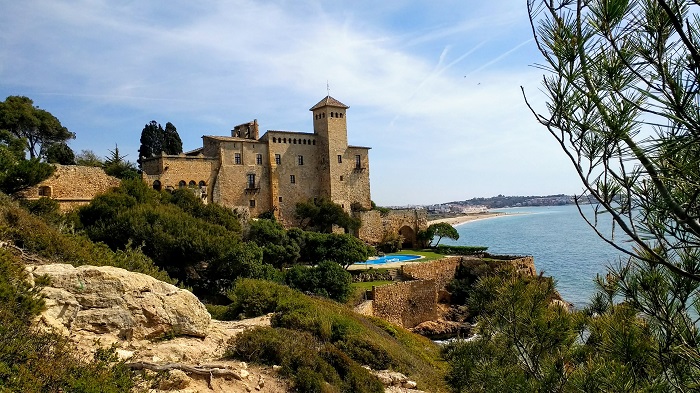
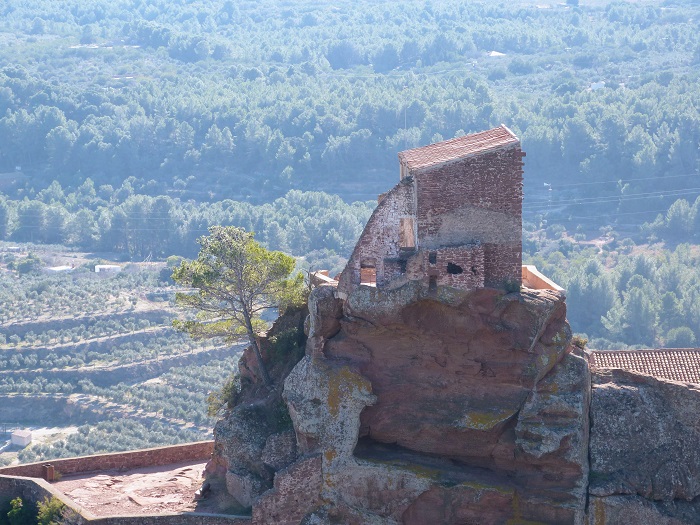
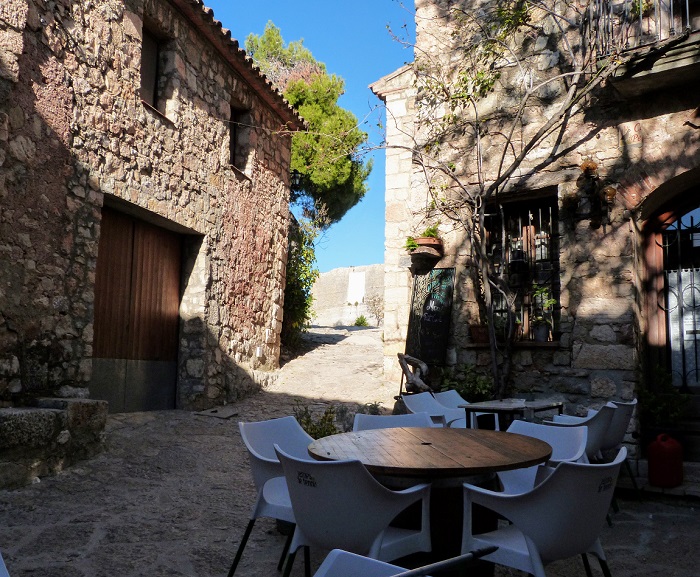
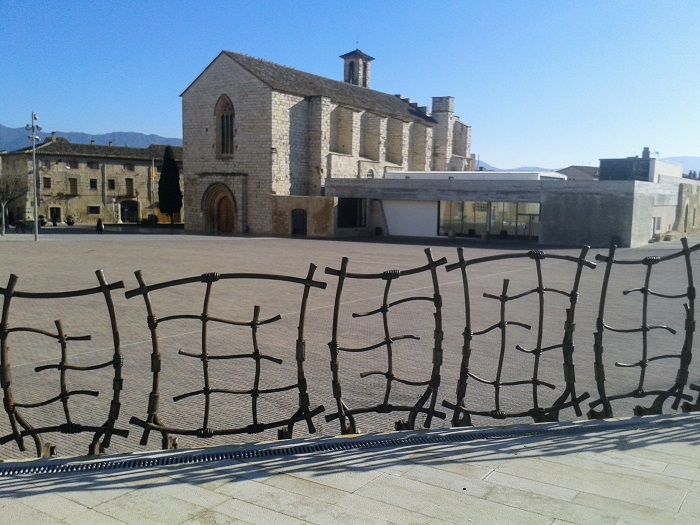
Through this route we will get to know and admire two very different aesthetic and historical currents: the Gothic and the Baroque.
We will find: CHURCHES, HERMITAGES, CASTLES, WALLS, PLAZAS, MEDIEVAL COMPLEXES, but also CAVES and MUSEUMS…
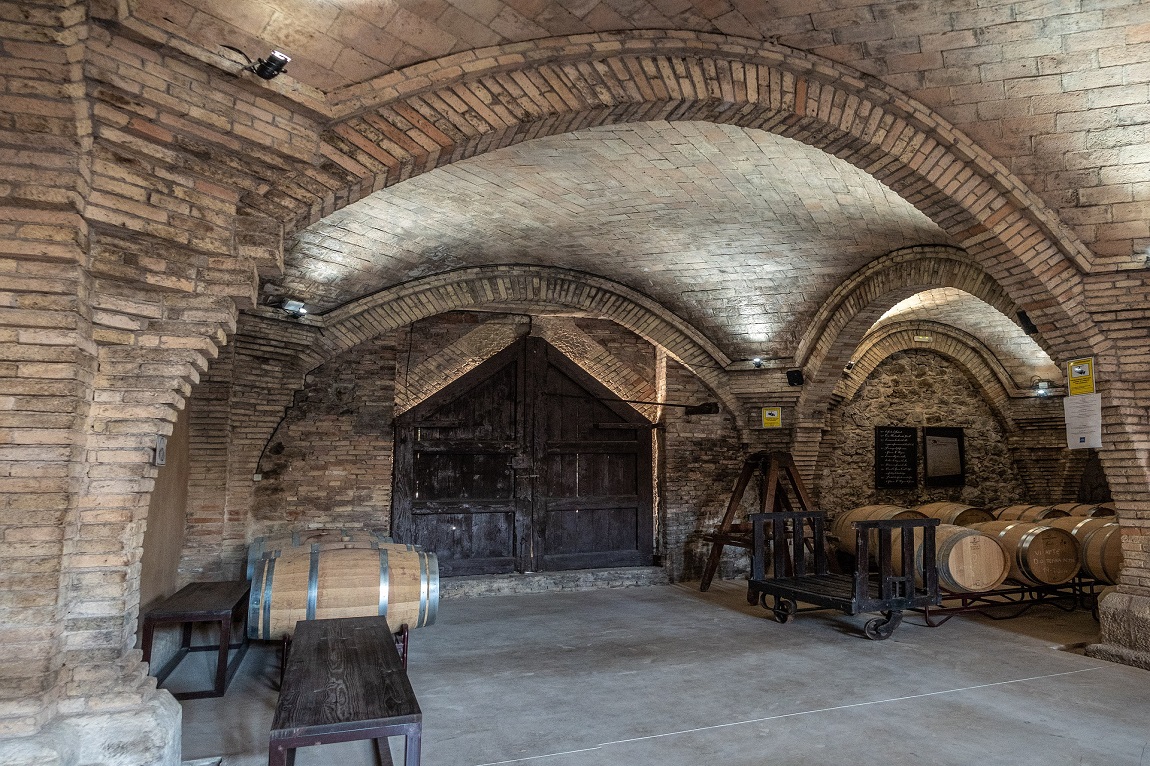
L’Alt Camp and Conca de Barberà have in their monumental heritage one of the largest concentrations of modernist Cellers (wineries) in Catalonia.
César Martinell, Pere Doménech and other architects built the so-called wine cathedrals in order to modernize agriculture and winemaking techniques.
This route is located in the region of Conca de Barberà, which, in addition to having a historical legacy in which towns such as Montblanc or Santa Coloma de Queralt stand out, also offers us a great variety of landscapes such as the Prades mountains, the protected area of Saburella and the shady areas of the Corb river.
VIMBODI
Here we will visit the Church of St. Salvador (1287) of gothic style. It is also very interesting to visit the Glass Museum.
Leaving Vimbodí, (direction to Poblet), 1 km away is the Hermitage of the Mare de Déu dels Torrents, built in 1484.
The hermitage was originally Gothic in style and was later restored adopting a Renaissance style, which is what we can see today. It is possible that the image of the Mare de Déu dels Torrents is not the original one, the current one is made of polychrome stone.
L´ESPLUGA DE FRANCOLÍ
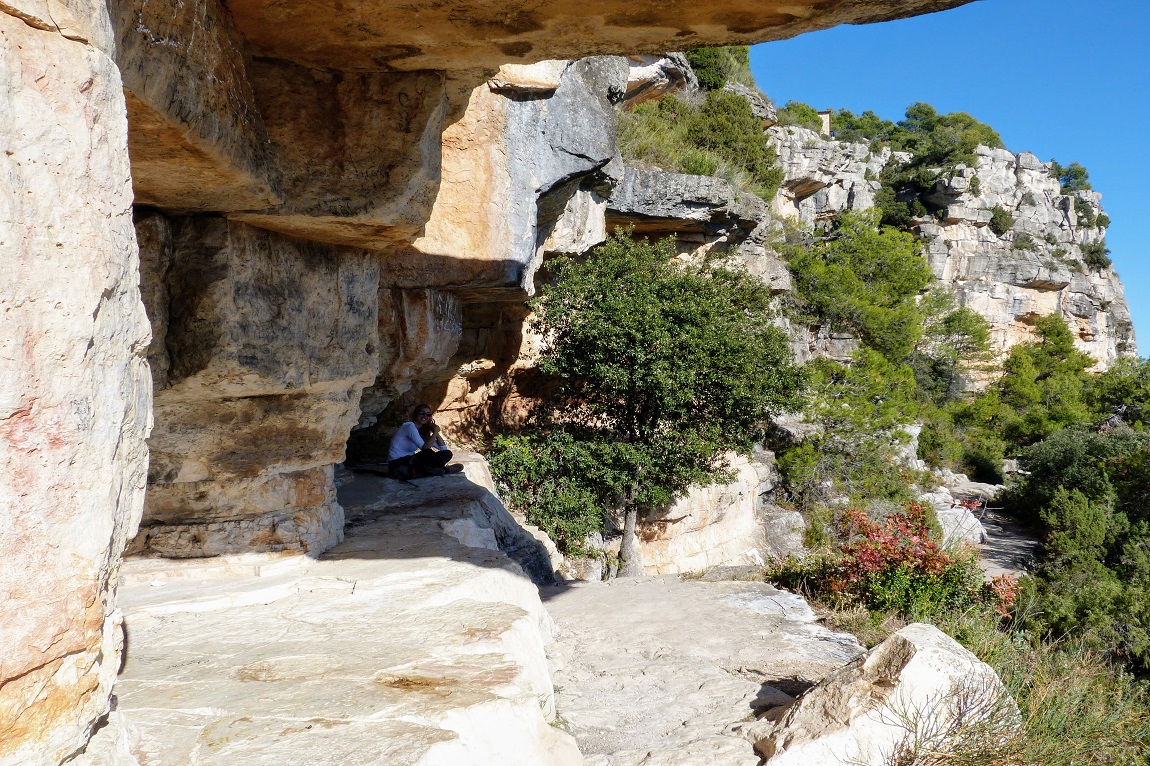
It gets its name from the numerous caves and grottoes that exist around the Francolí River. It is worth noting, among others, the visit to the Old Church, dedicated to St. Miquel. It is Romanesque-Gothic in style (13th century) and was declared a historic-artistic monument in 1923.
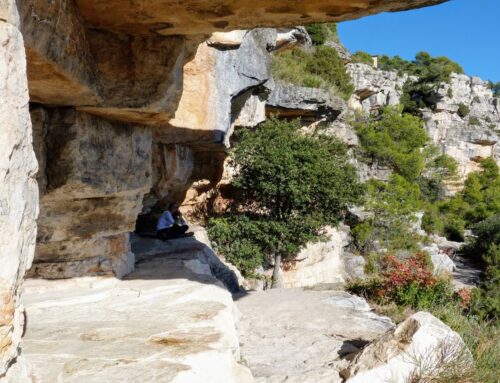
The most important sight is that of the Cuevas de l´Espluga, formed by the Cueva de la Vila, dedicated to the Pelolithic period, and the Cueva de la Font Major, dedicated to the Neolithic period. It is one of the seven longest caves in the world. They are made up of conglomerates and house a museum on the prehistory and geology of the area. For the more adventurous, there is the possibility of visiting the most surprising galleries, going up the river with the appropriate equipment on its underground route.
Very interesting is the visit to the Museum of Rural Life, installed in the old manor house of the Carulla family. It was created in 1988 by the Jaume I Foundation. It consists of four main sections: Agriculture, The House, Traditional Crafts, L’Espluga and Conca de Barberà.
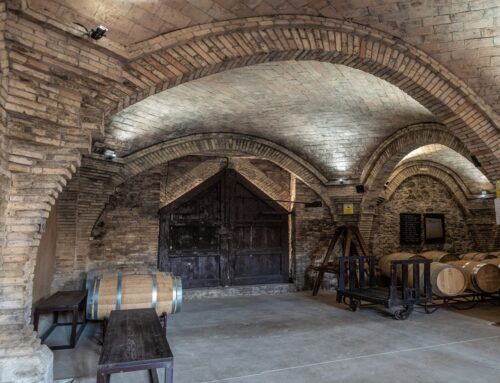
The cooperative winery of l’Espluga de Francolí (1913) was designed by Lluís Domènech I Montaner and finished by his son Pere Domènech i Roure. It is an emblematic building within the modernist wineries of Catalonia. The writer Angel Guimerà gave it the nickname of the Cathedral of Wine. It consists of three naves, with a beautiful exterior decoration recently restored.
Inside we can visit the Wine Museum, structured on three levels: the first shows the history, cultivation and production of wine; the second explains modern production; and in the third the building as a modernist work.
MONTBLANC
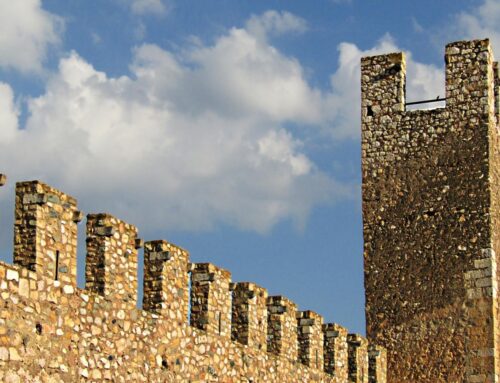
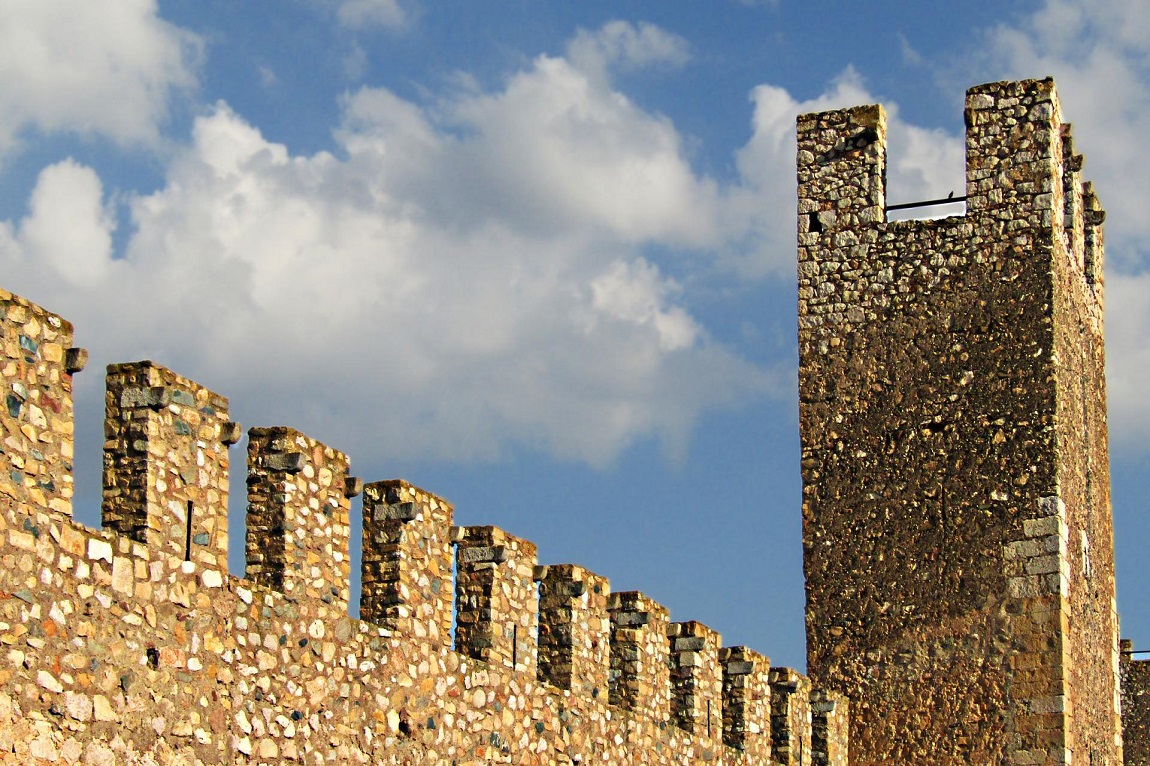
Town that has been declared a monumental and artistic complex (1947). Its walled enclosure is the most important medieval military work in Catalonia (1700 meters of perimeter, 31 wall towers with battlements, round steps).
Walking through its streets and squares, visiting its palaces, churches, old hospitals… we will understand why the town was the seat of the Catalan Courts on several occasions.
Montblanc lived one of its most glorious times in the Middle Ages, it had its own fairs and markets and an important Jewish community. You can breathe all this when you walk through its walled enclosure, especially in the month of April, when the Medieval week is celebrated in days close to the St. Jordi festival.
In addition to the walls, one of the most important buildings is the Archpriest Church of Sta. María, purely Gothic with a Baroque façade, which contains one of the best ancient organs in Catalonia. Also noteworthy is the Hospital de Sta. Magdalena, which contains a beautiful Renaissance cloister.
BARBERÀ DE LA CONCA
There are the ruins of the Templar Castle of Barberà that has given its name to the region; its parish church is baroque and the cooperative winery is the work of César Martinell.
PIRA
Important modernist cooperative winery, the work of César Martinell.
SARRAL
Main producer of Cava in the province. The Cèsar Martinell cooperative winery, Carrer del Jueus, the Church of Sta. María (18th century) and the remains of a Roman dam are worth mentioning.
ROCAFORT DE QUERALT
Baroque church (18th century), Rocafort Castle and modernist cooperative winery, the work of César Martinell.
BIURE DE GAIÀ
Castle built in the s. XI. Its numerous reforms give it a palatial air. Baroque style church (1782).
LES PILES
Neoclassical Church of St. Martí, (18th century). Hermitage of Sta. Eugènia.
SANTA COLOMA DE QUERALT
In its historic core, the Gothic parish church (14th-16th centuries) stands out, its monumental bell tower stands on it and inside it there is an alabaster altarpiece by the sculptor Jordi de Déu (14th century).
Castle of the Counts. To emphasize the tower of the Homenaje (s. XIII).
The source of the Counts or the Canelles (s, XIII).
Church of Sta. María (on the outskirts).
Medieval complex, which consists of four splendid portals of the walls and two porticoed squares, that of the Church, with the portal of the Jews and that of the main square.
SAVALLÀ DEL COMTAT
Remains of the old castle and parish church of St. Pere, built in 1786 and in the Baroque style.
CONESA
Walled population from the s. XIV. It conserves the portals of Sta. María and St. Antoni; We can also walk through its medieval arcaded streets. Gothic church of Sta. Maria.
FORÈS
Impressive panoramic view of the region. Church of St. Miquel (12th century).
PASSANANT
The term is formed by the old towns of Passanant, Belltall, La Glorieta, Sala de Comalats and La Pobla de Ferran, with their castles. We highlight the Church of St. Jaume de Passanant.
SOLIVELLA
Old castle and baroque church (18th century).
BLANCAFORT
Population formed in the s. XII around the castle. Wine cooperative. Baroque church (18th century).