EBRO ROUTE
The central axis of all the important towns and enclaves that we will visit is the mighty Ebro River, which runs 150 km through Catalan territory.

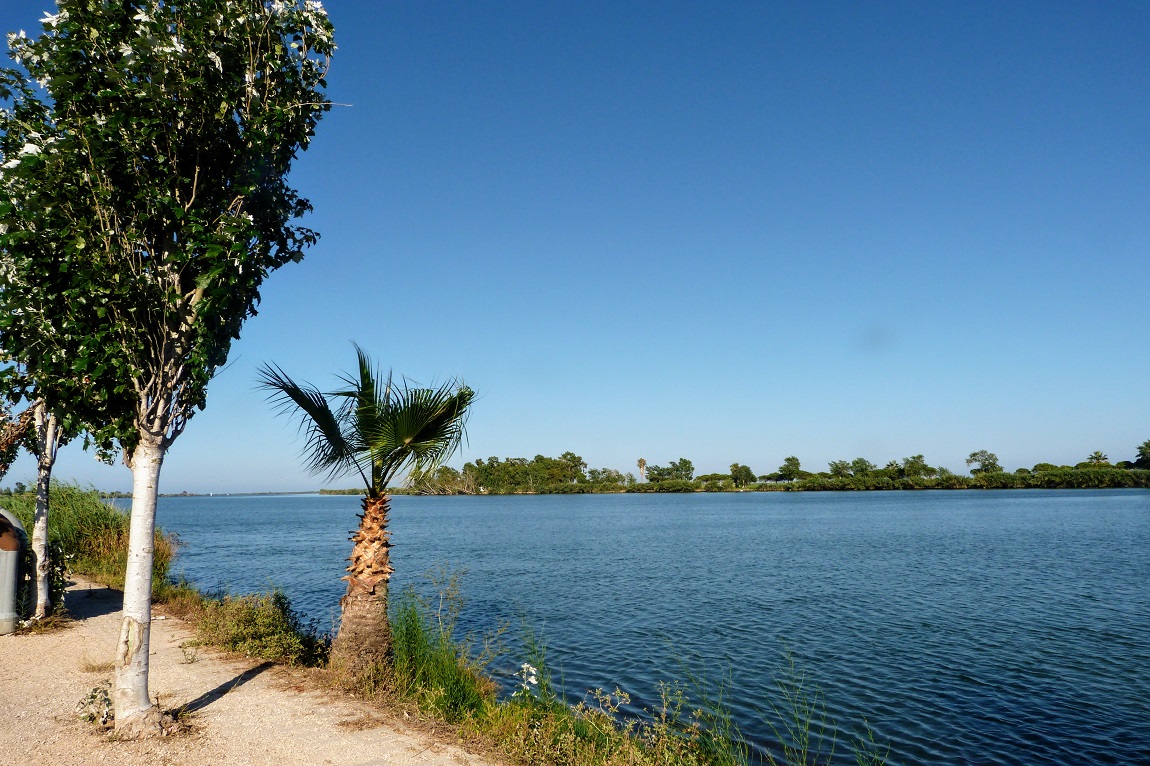
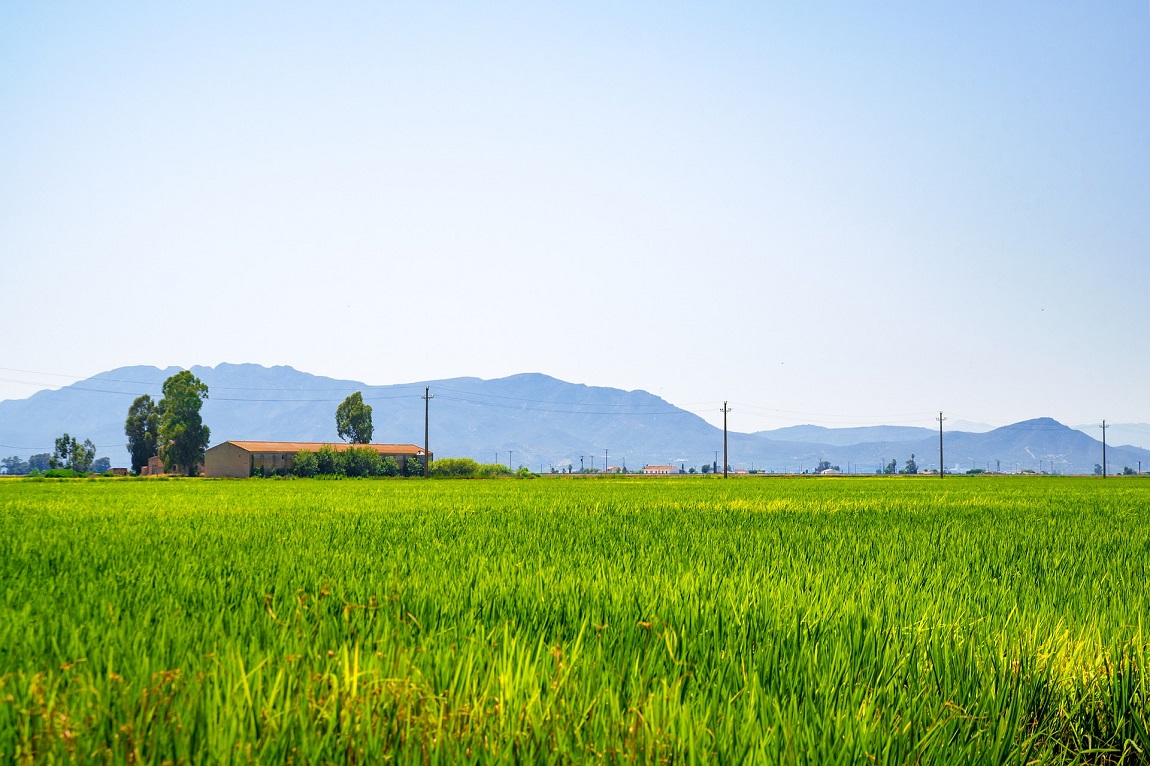
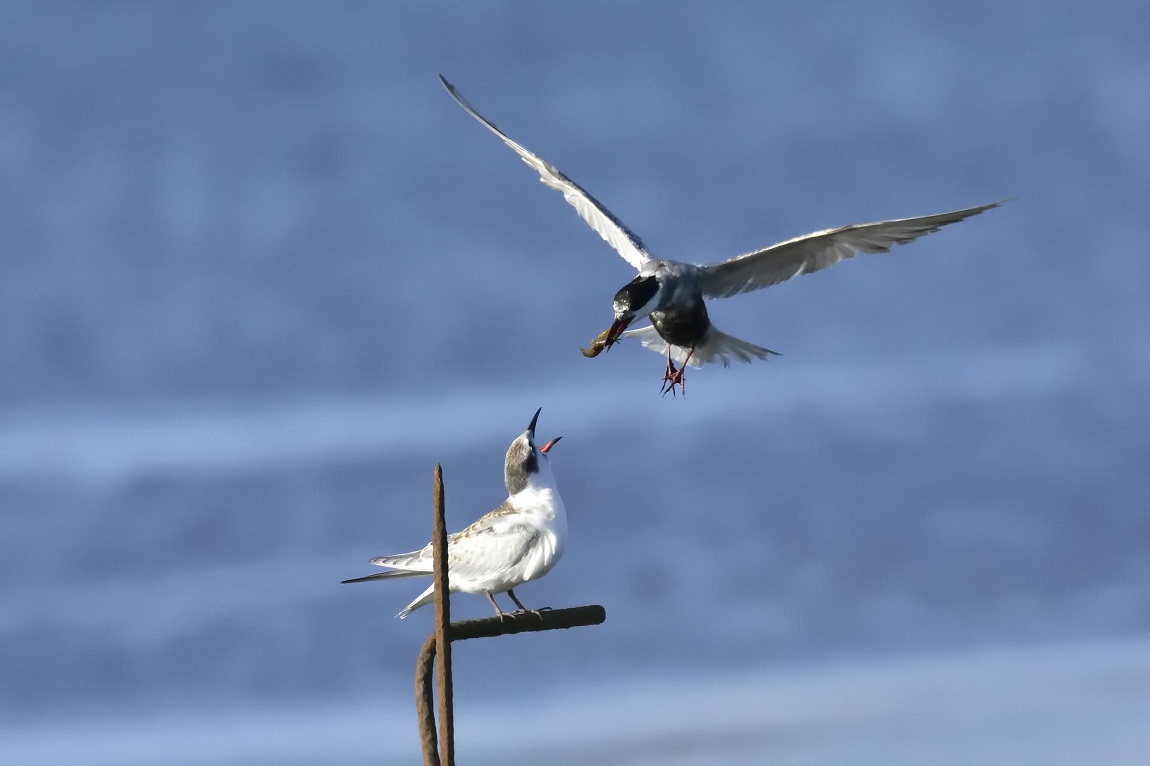
Through all the towns he visits on his way to the sea, he leaves behind him the charm and nostalgia enjoyed by all the cities and towns that have the gift of the backwater of a river.
RIBA-ROJA D’ EBRE
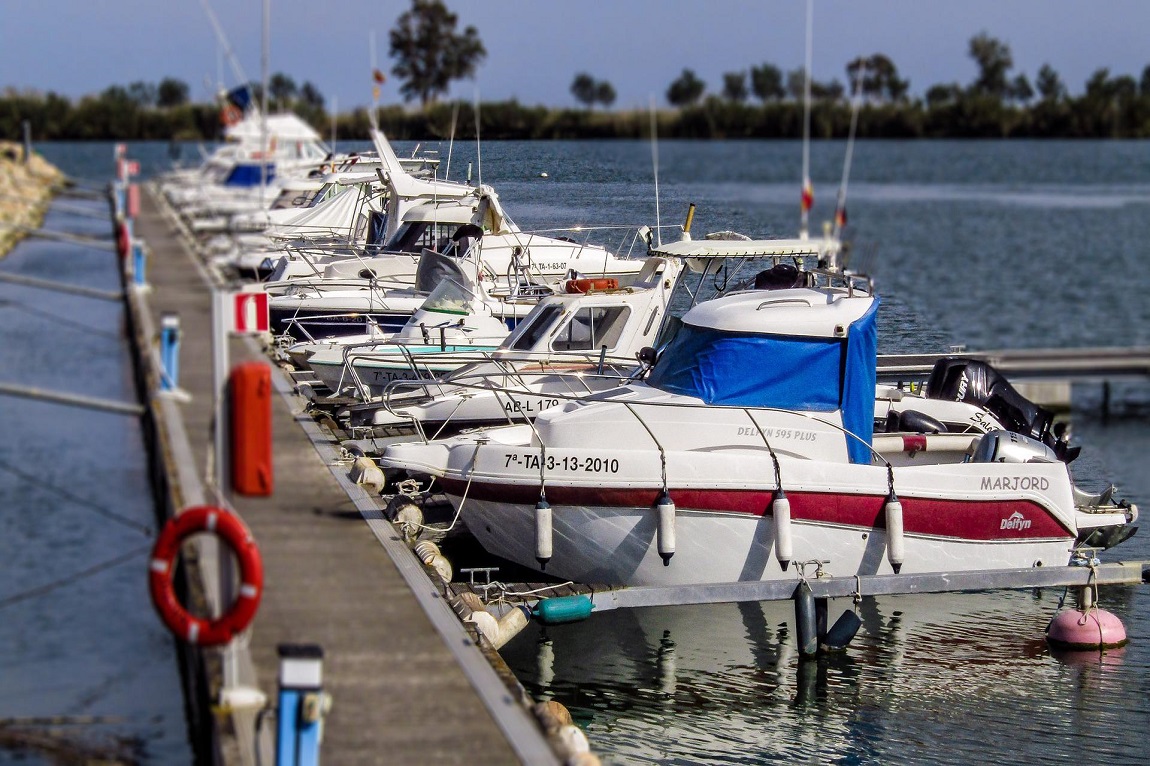
It is the first Catalan town that stands on the river. If what interests us most is the practice of water sports, here we can choose between water skiing, canoeing, motor boating…
If, on the other hand, we opt for contact with nature, there is another interesting option: renting boats to navigate the river, which will allow us to get to know an ecosystem characterized by numerous channels that go deep into the vegetation.
Also lovers of fishing find themselves in a privileged environment, since in the Riba-roja reservoir you can fish cirulos, eels, perch, carp,….
Once we arrive at the town, we will walk through its historic center, where we will find challenges from the old castle and the prison. On the way we will approach the Pena viewpoint, from which we will enjoy a good view over the river.
Located in the Plaza de la Iglesia there is an interesting Ethnological Museum, focused on the rural life of the villages of the Ribera d’Ebro. Right next to the museum, the Church of St. Bartomeu (1789) in late Baroque style stands out.
The Hermitage of Berrús was located in the old term of Berrús, today disappeared under the waters of the swamp. This Romanesque hermitage was built by the Templars to Sta. María de Berrús. Much later, in 1960, it would be moved stone by stone when the Riba-roja reservoir was built.
FLIX
Going down towards the neighboring town of Flix, the Ebro river has given us two places of natural interest, the Flix meander and the Sebes reserve.
It is a space of natural interest, in which nature lovers can enjoy the flora and fauna of the riverbank, where the colonies of invertebrate birds stand out. Some archaeological sites from the pre-Iberian and Iberian times have also been located here.
The town is also accessed from the Pas de la Barca, built on two platforms, and which allows you to travel between the two banks of the river. It is a hunting and fishing place.
Already in Flix, walking through its streets we can see the Church of Nuestra Señora de l’Assumpció (Gothic style), the Old Castle that was built during medieval times and the New Castle probably erected during the Third Carlist War.
Walking through the town, we will be able to contemplate the old heraldic shields in many portals. We can also see the arcades of Carrer Major and Plaça d’Espanya.
6 km from Flix is the Hermitage of the Verge del Remei. For those who want to enjoy a relaxing walk, we suggest that they go to the passera del bosc de ribera.
LA PALMA D’ EBRE
In the town you can visit the Romanesque Church of the Mare de Déu del Roser (12th century), the Mare de Déu de l’Assumpció parish church (Renaissance), and the Town Hall building, which houses the old prison on the ground floor built in the middle of the s. XV.
Leaving the town we will arrive at the Baixada de la Font Vella. The deposit and the arcades are Arab.
ASCÓ
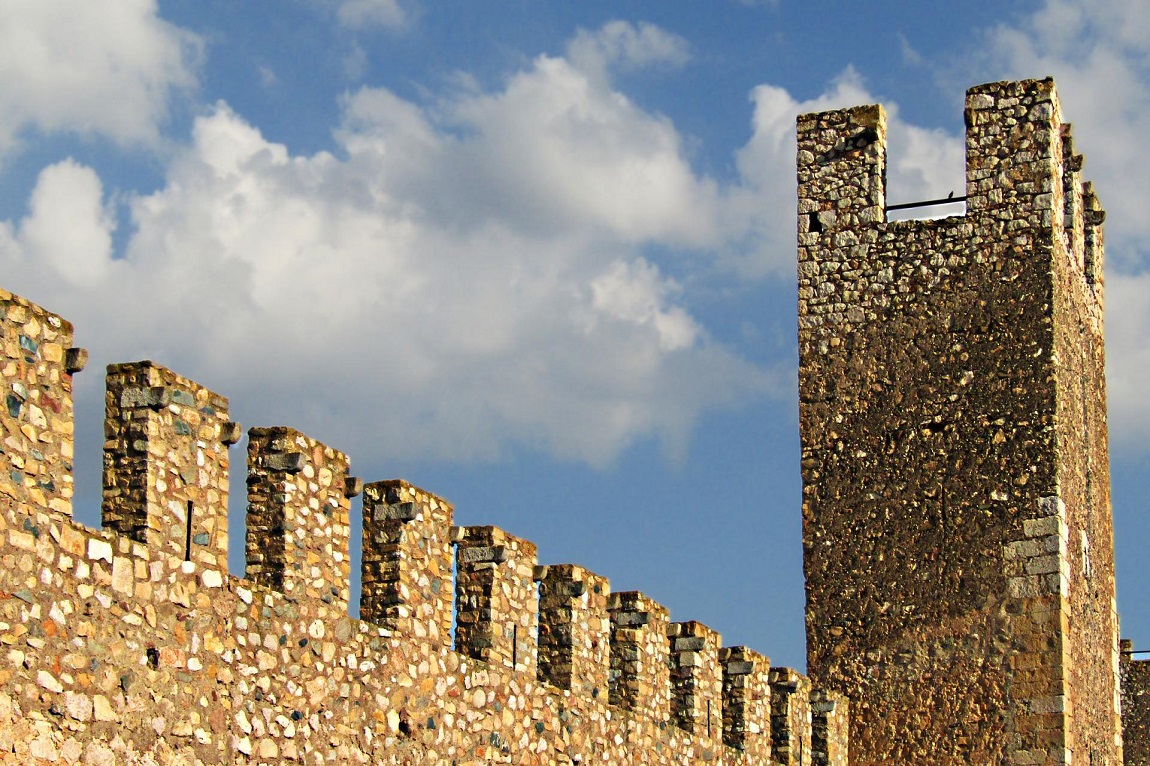
Although its beginnings date back to the Neolithic, it was the Arabs who left more traces in the town, such as the Arab tower, belonging to the old castle. The historic core, with its sloping alleys, also reflects the passage of the Moors.
Formerly Ascó was completely walled and still today it preserves remains of the old wall. From plaça Nova we will enjoy a magnificent view over the Ebro valley.
We can also admire the Plaça de l’Esglesia and the Plaça del Vallxiquer. Plaça Major reflects its medieval past. From here you can see the tower of ca Estisora, the old viewpoint of the mosque.
The parish church of St. Joan the Baptist, in classicist style, is crowned by a Romanesque cadireta bell tower. Other buildings of interest are the stately residence of Cal Cavaller (1613), Can Pere Sans (13th century), and the three hermitages that Ascó has, St. Miquel, Calvari and Mare de Deu del Carmen.
VINEBRE
Located on the other bank of the river, we highlight the visit to the Agricultural Museum, the House-Museum of St. Enric d’Ossó, the Convent and the Colegi de las Teresinas, built by Bernat Martorell (collaborator of Gaudí). Also of interest are two buildings from the s. XVI, the town hall (of a colonial character) and Ca Don Juan, a building with a Renaissance interior patio and an octagonal well made of a single stone.
In the vicinity of Vinebre is the Iberian site of St. Miquel (2nd century, 1st century BC) which rises 100 meters from a hill. Ceramics made by hand with black varnish with Iberian sgraffito, terracotta figures, press elements and different coins have been found.
Next is the Hermitage of St. Miquel, which was rebuilt in 1860 by the Carthusians of Escaladei. The hermitage has a picnic area.
TORRE DE L’ESPANYOL
Its origin is probably due to the existence of a watchtower and defense of the route that connected Lleida and Tortosa. It is believed that it already existed in Roman times.
In the town center is the Church (18th century), in a neoclassical style with baroque elements. Also of interest is the Font del Torrent, apparently from Roman times, and located at the exit of the town.
MÓRA LA NOVA
On the outskirts of the town there are two points of tourist interest: the first is the Mas de la Coixa (18th century), located closest to the river at the time of its construction. From here the goods that arrived from Aragón were unloaded and then transported to Reus.
The other place we were referring to is the Hermitage of St. Pau, located on the hill that bears the same name. From here you can see a magnificent panoramic view.
Between the towns of Mora la Nova and Mora d’Ebre, an area of natural interest stands out, we are talking about the Galatxzo Island, where we can practice various water activities. The Ebro River can be seen from here in all its breadth, thanks to the arched bridge that links the two Moras.
MÓRA D’EBRE
It is the capital of the Ribera d’Ebre region, and from here it is possible to navigate the river to its mouth in the Delta. The route has been adapted for river tourism.
Inside the town we can walk through the alleys of the Citel.la (historic center). This walk will lead us to the remains of the medieval castle of which remains of the wall and two towers are preserved.
From here you can access by a narrow staircase to the Hermitage of the Mare de Déu dels Dolors, in neo-Gothic style.
Once again in the old quarter, if we go to Plaça de Baix we will find the Town Hall building and the Priory Church of St. Joan Baptista. In Plaça de Dalt is the Casa Montagut, built in the s. XVIII by the Montagut de l’Era family. We will also see the sculpture dedicated to Julio Antonio, illustrious son of the town, the work of Santiago Costa.
In Plaça de la Venerable Sor Filomena, we can visit the Convento de las Mínimas, which houses the expiatory temple dedicated to the Sacred Heart of Jesus. Other interesting points are the hermitages dedicated to Sta. Magdalena, St. Jeroni and Sta. Madrona, as well as the yacht club.
BENISSANET
Here we can make an interesting visit to the Museum of Musical Instruments-Serra Museum, which is considered the second most important of its kind in Catalonia.
The parish church of St. Joan Baptista, the Sanctuary of the Mare de Déu del Pilar and the Chapel of St. Roc are also worth a visit. Beside the river there are remains of the Moorish wall.
In the plaça de la renaixença there is an ancient olive tree.
MIRAVET
The castle rises imposingly over the town and the river, and like the historic center, it was erected by the Arabs. Later, in 1153, the castle was conquered by the Templar order and converted into a fortress-monastery. In addition to the impressive visit to the Castle, Miravet offers us more possibilities.
OTHER VISITS
LA IGLESIA RENACENTISTA
It is a Church of the Hospital Order. This building is unique in its style in the lands of the Ebro.
LA RUTA DE LES BLORES
We will walk through medieval paths around the castle and see archaeological remains.
ARTESANÍA DEL BARRO
Formerly the town had twenty workshops. Currently, seven of them are preserved, concentrated in the Raval.
EL PAS DE BARCA
It is the most traditional boat passage, since it uses the force of the current. From here we can go to Tivissa
TIVISSA
Its historic center is crowned by the remains of the old castle and the monumental ecclesiastical complex of St. Jaume (a heterogeneous mixture of Gothic, Renaissance and Baroque). Walking through its narrow streets we can admire its important medieval legacy.
Nor should we forget to visit the Renaissance Church (which contains part of the old Gothic church), the Plaça de la Baranova and the Hermitage of St. Blai.
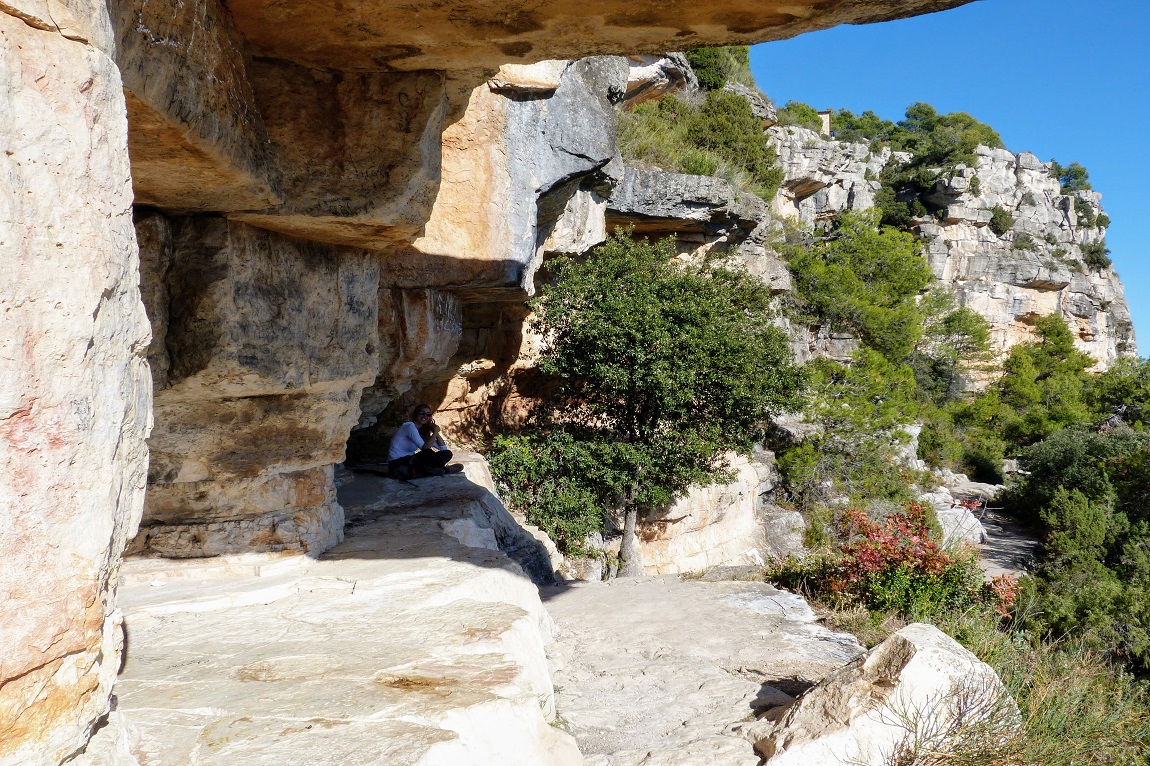
The cave paintings of Font Vilella, declared a World Heritage Site by UNESCO, are spread over various caves and are the most primitive evidence known of the ancient inhabitants of the territory of Tivissa.
The Roman settlement of Aumedina (1st century) was an urban complex specializing in the industrial manufacture of jugs for transport.
The Iberian settlement of Castellet de Banyoles is divided into three areas and is located on top of a terrace over the Ebro. A set of finds known as the Treasure of Tivissa stands out for its archaeological importance, exhibited in the Archaeological Museum of Barcelona .