ROUTE OF THE FISHING VILLAGES AND THE EBRO DELTA
A walk through the ancient fishing traditions and nature in its purest state. The gift of beaches and coves without crowds to enjoy them with all your senses.

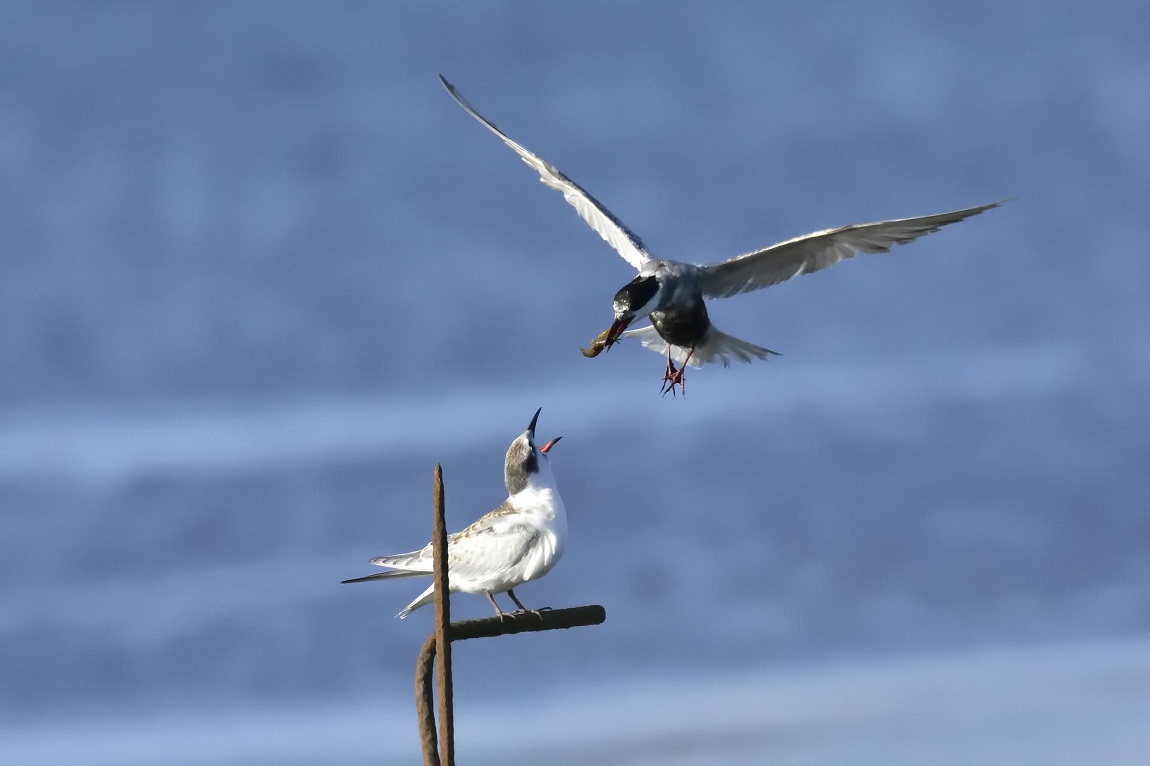
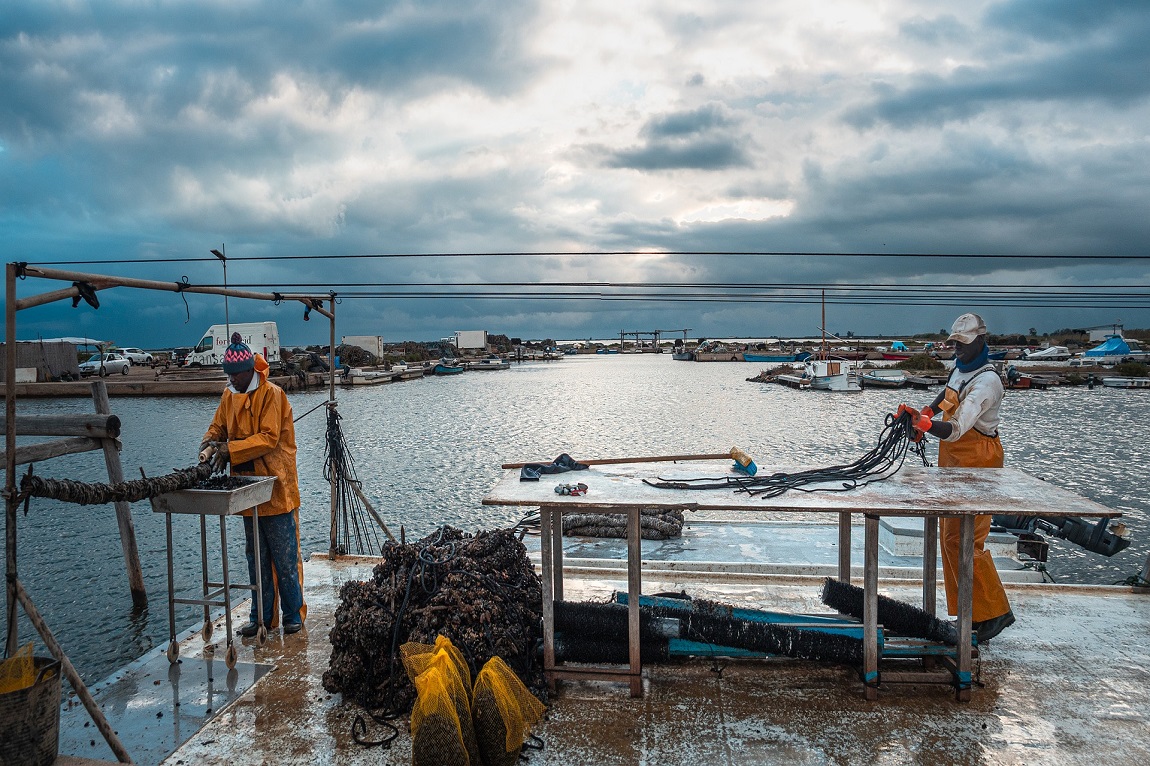
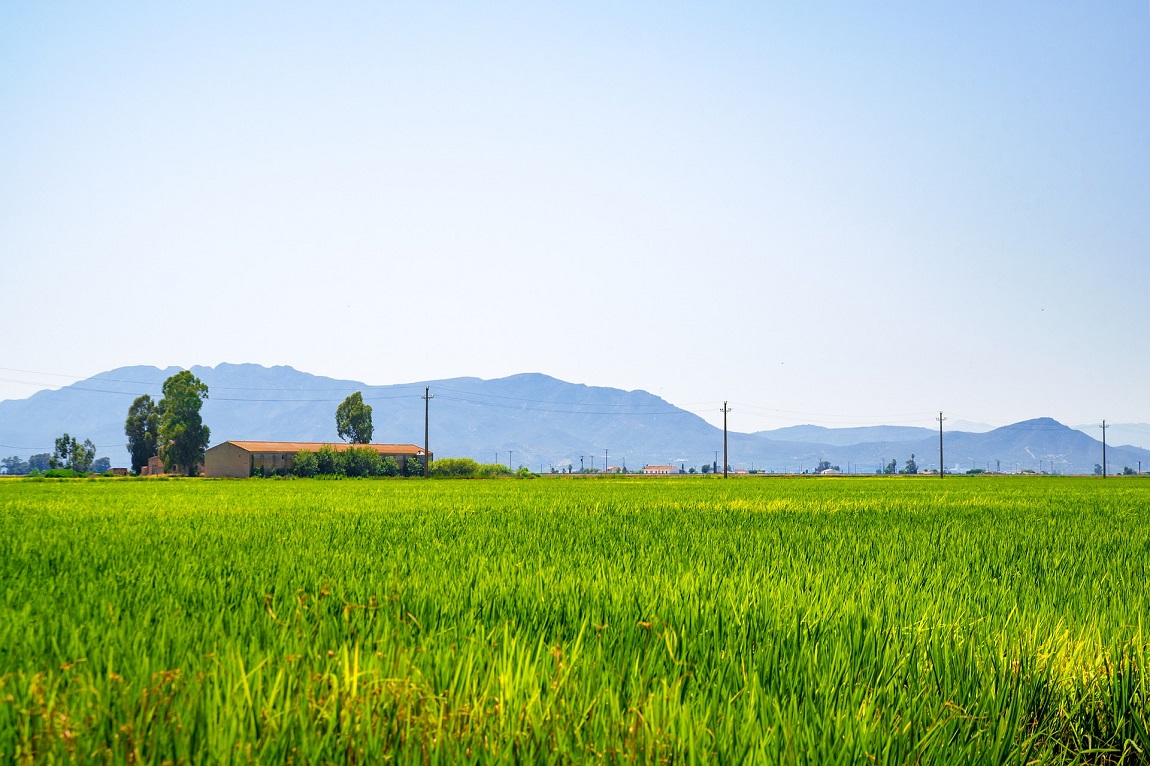
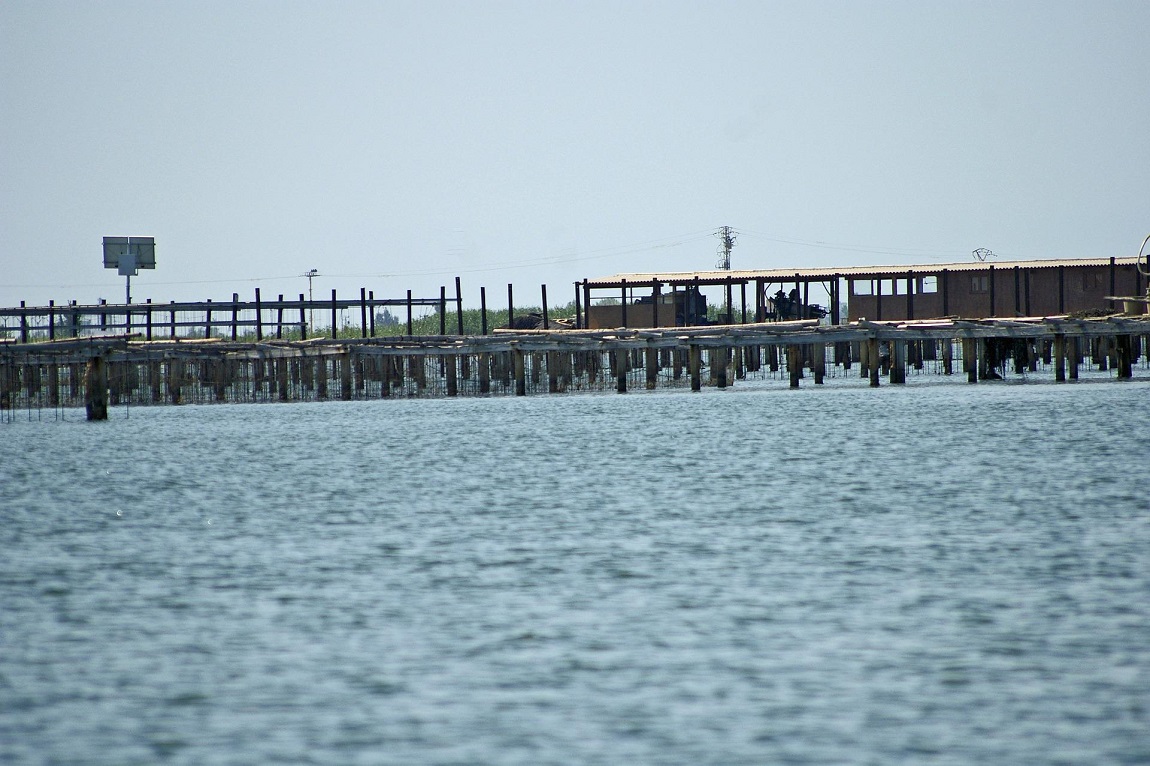
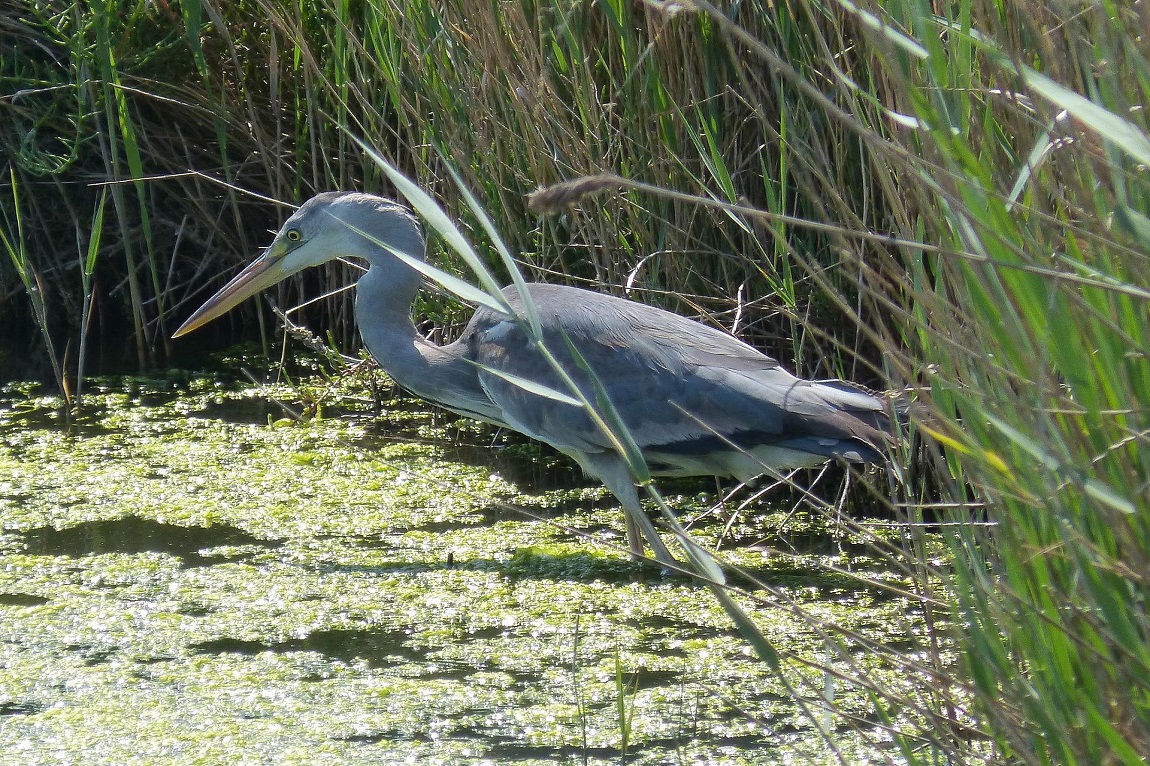
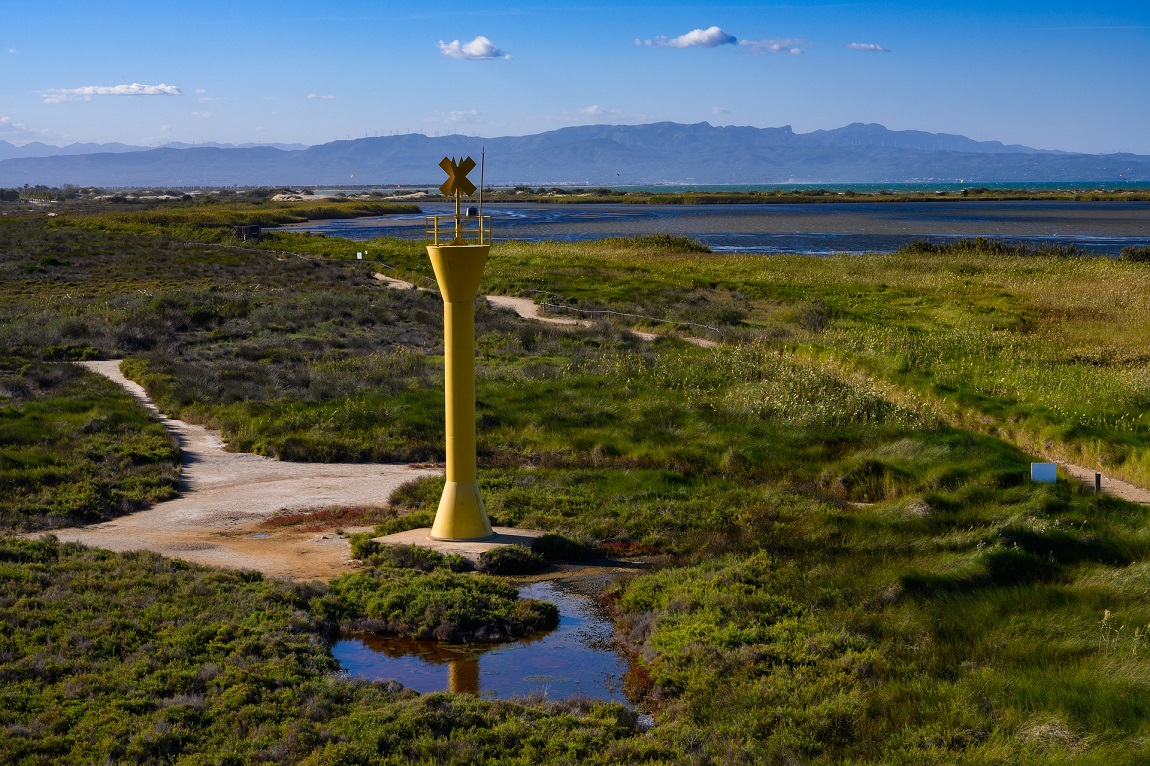
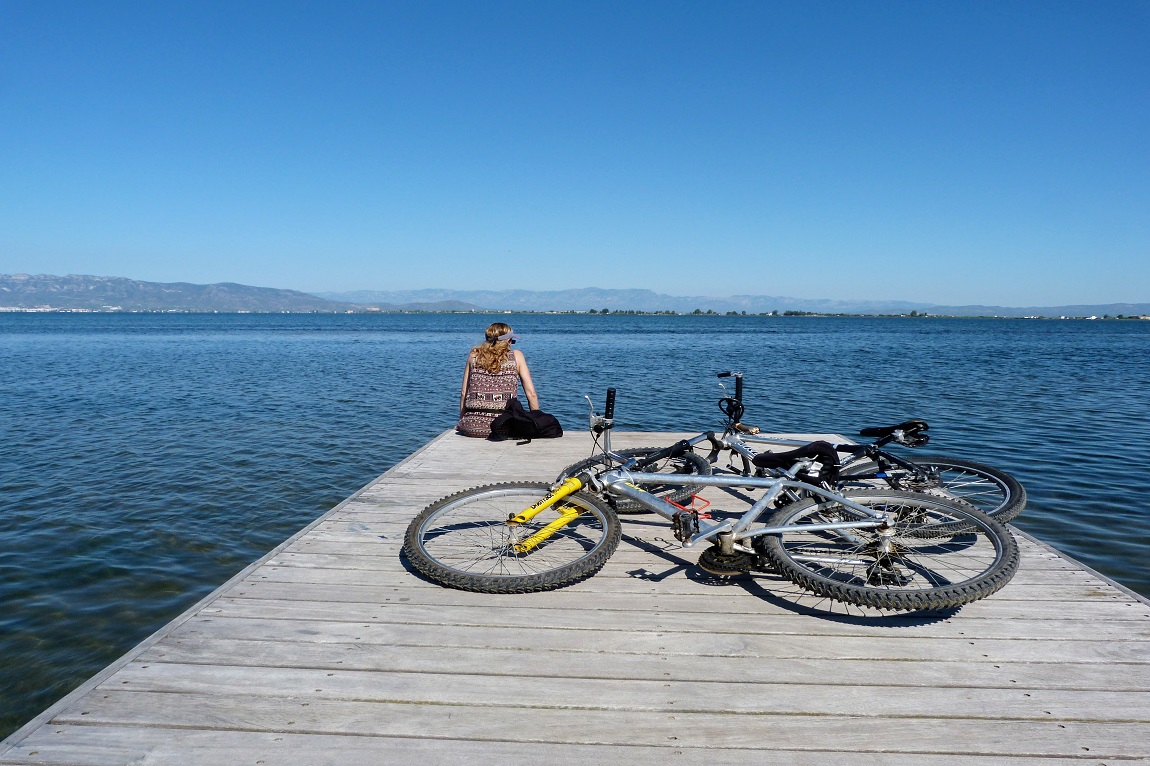
Thus we could define the most specific characteristics of this route.
With it, the traveler will be able to savor that nostalgic flavor of the old sea that evokes past times. And as if that were not enough, we can taste the best and purest seafood cuisine, all of this always accompanied by the gaze of the Mediterranean.
L’AMETLLA DEL MAR
Basically fishing population of great charm. Its trade is one of the most important on the Catalan coast. In the mornings, around 9 a.m., the cant de la sardine is performed, so called since it is performed with the blue fish that has been caught during the night. In the afternoon the same is done but with white fish.
The arrival at the port of the ships (around 4:30 p.m.) is especially picturesque and nostalgic. Also noteworthy is the fish auction, which takes place in the Lonja de la Cofradía del Pescado.
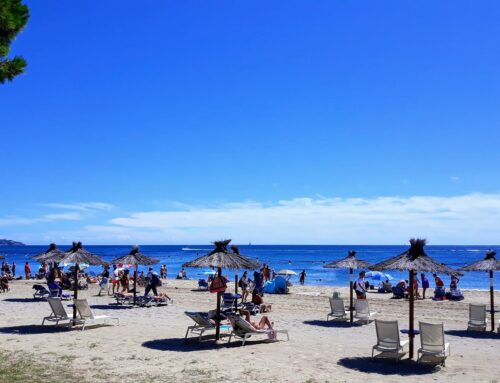
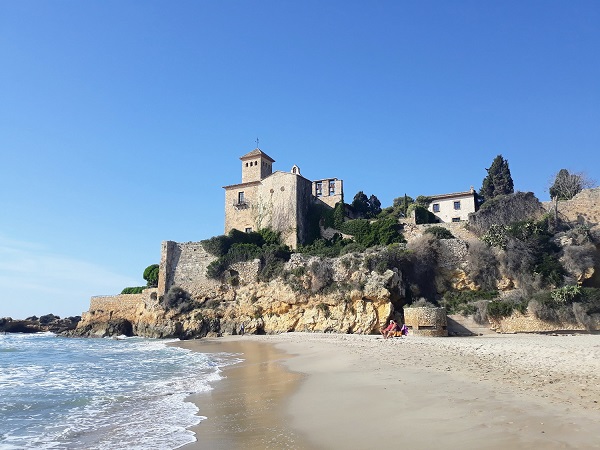
L’Ametlla del Mar offers us a wide range of coves, pebble beaches and the typical sandy beaches of the Costa Dorada.
L’AMPOLLA
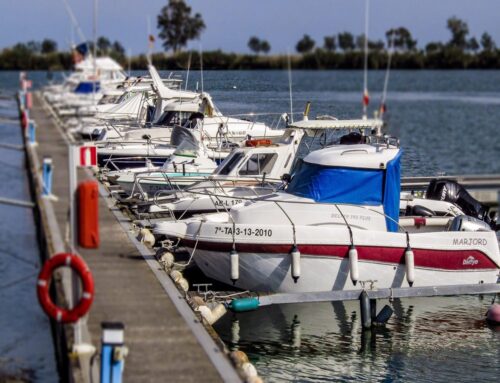
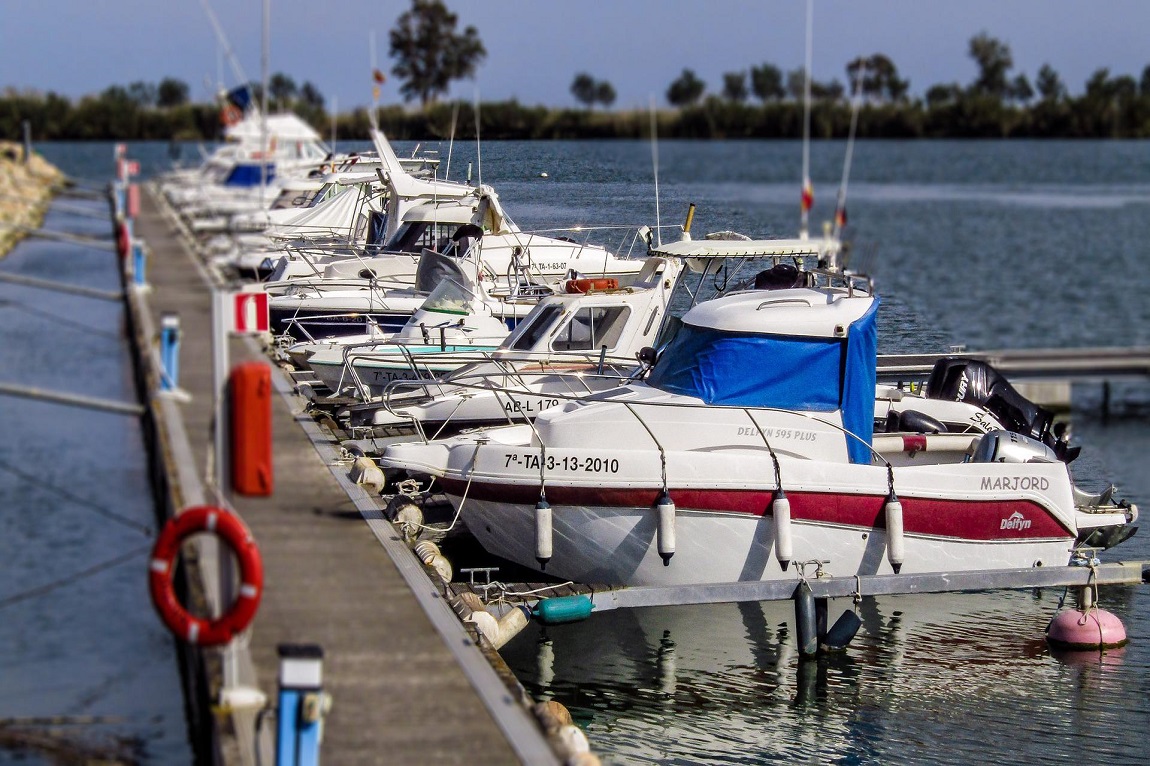
Like L’AMETLLA, among its tourist attractions it has the auction and the arrival of the fishing boats. It also has a marina where fans of water sports can enjoy its modern facilities.
DELTA DEL EBRO
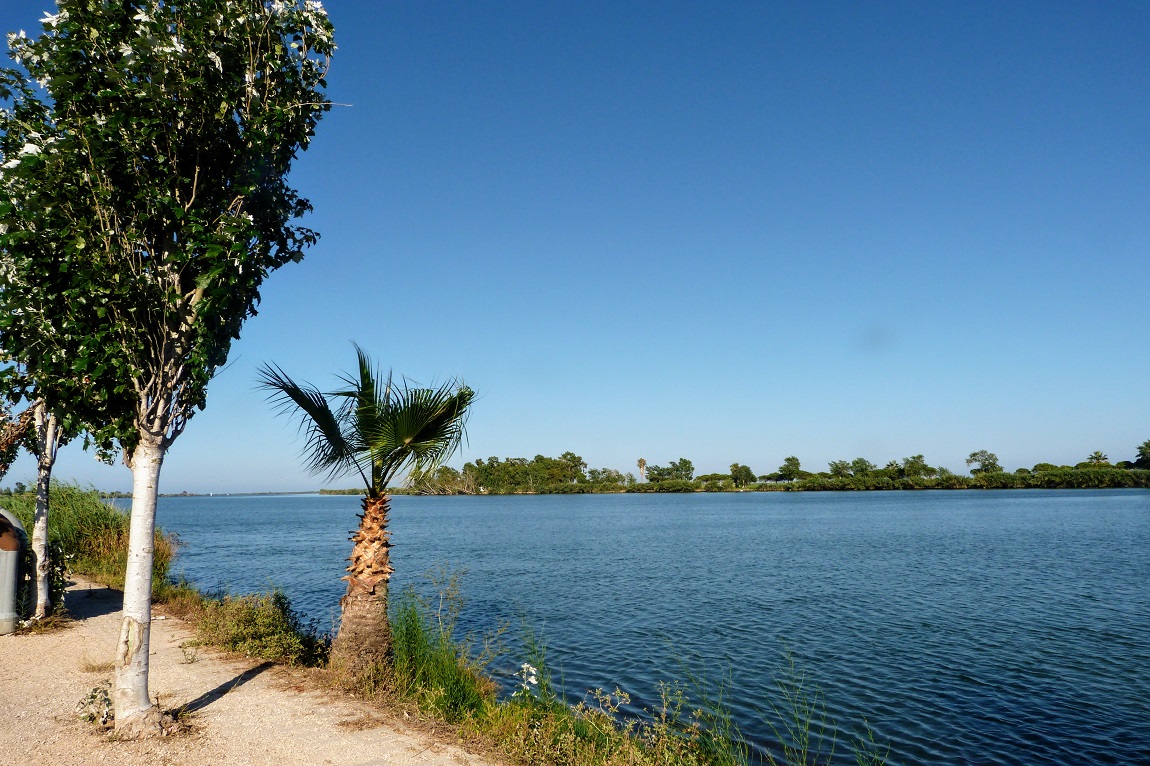
It has 7,736 hectares, and in 1983 it was converted into a Natural Park. It constitutes the most important wetland area in Catalonia and the second most important in the Western Mediterranean, the first being the French Camargue.
All landscapes are different and they all catch our attention for one reason or another, but the landscape that the Ebre Delta offers us is totally different from all of the above. We are talking about an immense esplanade only 1 m high above sea level.
A part of the delta is made up of sandbanks, lagoons, freshwater reservoirs… and each of them has its own ecosystem. The other part of the Delta is much more changeable since, due to the rice plantations, the landscape goes through successive shades, the blue of the water, the green and gold of the rice, the brown of the mud, and all of this always in the framework of the irrigation canals.
La Basa de les Olles is located on the Arenal beach, and despite being the smallest lagoon in the Delta, it is a very important nesting area, since a great diversity of environments are concentrated there. To visit it we can choose the bicycle or make the tour on foot.
FIRST DAY IN THE DELTA DE L’EBRE
On our first day we can visit a good number of places:
1 THE GARXAL LAGOON
In which we can find a large colony of birds.
2 BOAT CROSSING
By the mouth of the EBRO and BUDA Island (Buda Pier). Very interesting journey in which they explain in detail the entire route made by the boat.
3 FROM THE WINERY
Until the beach of the Marquesa contemplate the immense rice fields. Depending on the time of year, its appearance varies considerably, and also with the passing of the seasons, the species of birds that seek their sustenance here also vary.
4 AND WE ARRIVED AT LA MARQUESA BEACH
Where we can enjoy a huge beach, where the dunes change the landscape…
5 HALFWAY
Between the Marquesa beach and Punta del Fangar there is a small bay where we can see different species of birds as it is a nesting area.
6 AND FINALLY
We arrive at the PUNTA DEL FANGAR. It is an immense sandbank, caused by marine erosion.
SECOND DAY IN THE DELTA DE L’EBRE
We will start our journey in Deltebre, where we will take a ferry to cross the river and head for St. Jaume d’Enveja (don’t forget to bring the car on board haha).
1 ONCE WE HAVE
Disembarked, we head towards Playa dels Eucaliptus, and very close to here we will find the Tancada lagoon, with salt water and possessing its own ecosystem of plants and birds.
2 PASSING THE LAGOON
We will come across the already abandoned salt flats of St. Antoni, and from here there is only the option of following the sand path through the Trabucador bar, surrounded by the sea on both sides, and which leads us to the incredible bay of the Port of the Alfacs. At the end of the bay is the Punta de la Banya, through which it is not possible to pass as it is a natural reserve of great ornithological wealth, however some strategic observation towers have been erected to delight us with the birds that nest here. .
3 ONCE FINISHED
The visit will go back to the salt flats of St. Antoni. From here starts the road that will take us to the l’Encanyssada lagoon, the largest (850 hectares).
4 IS ALSO INTERESTING
The visit to the FUSTA HOUSE. Inside there is an ornithological museum and an information center on the Delta, where they will indicate possible itineraries.