WINE ROUTE
In the first part of the itinerary we will get to know the central area of Baix Camp. From the Castle of Escornalbou we will enjoy incomparable views of the Tarragona region and as we enter the Priorat, we will taste magnificent wines appreciated throughout the world.




Already in the interior of the region we will be impregnated with its colors and nuances, it is a land that denotes purity, but that will captivate us little by little, with the strength that its valleys and mountains give off.
MONTBRIO DEL CAMP
In the old center of the town we will highlight the Casa de la Vila (12th century), in Renaissance style and with arcades. It also has the parish church of St. Pere Apóstol (12th-17th centuries) in Renaissance style and inside it an organ listed as a musical historical-artistic monument (18th century) in Baroque style.
CASTLE-MONASTERY D’ESCORNALBOU
The town of Riudecanyes begins the ascent to the Castle (12th century).
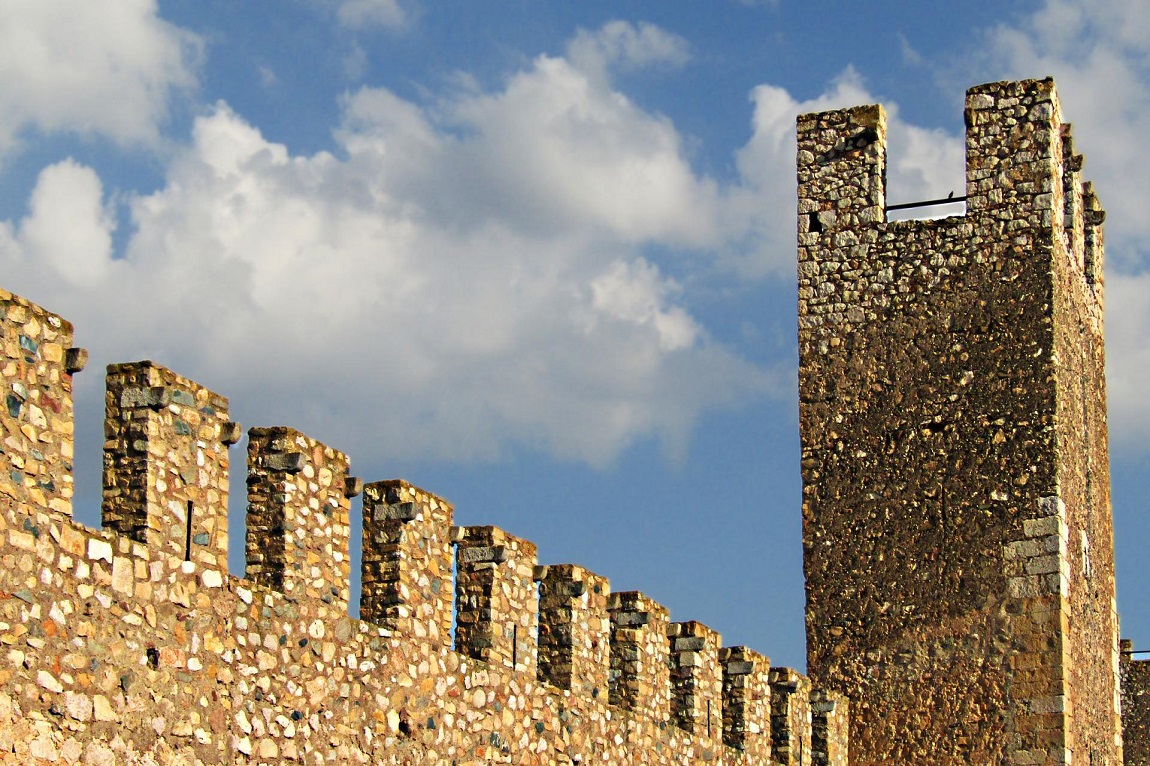
It is located on the hill of Sta. Bàrabra and was the center of an important Medieval Barony. From 1580 it became a Franciscan convent, until its exclaustration in 1835. Magnificent views from the area, it is said that on clear days the Balearic Islands can be seen.
Eduard Toda restored it in 1910. Its exterior is that of a castle, although it retains elements of a convent (Romanesque church, cloister, access portal).
After the visit we can go to the Riudecanyes reservoir (1907-1919).
FALSET
From here we will head towards Falset, capital of Priorat, which is nestled in a small valley. Walking through its old town, which preserves remains of walls, we can see the vestiges of its medieval past.
The wall had five Portals to its credit, of which only the Portal del Bou remains.
We also recommend visiting the Popular Art Museum located in the Palacio dels Comtes de Azahara, in Renaissance style (18th century).
BUILDINGS OF INTEREST
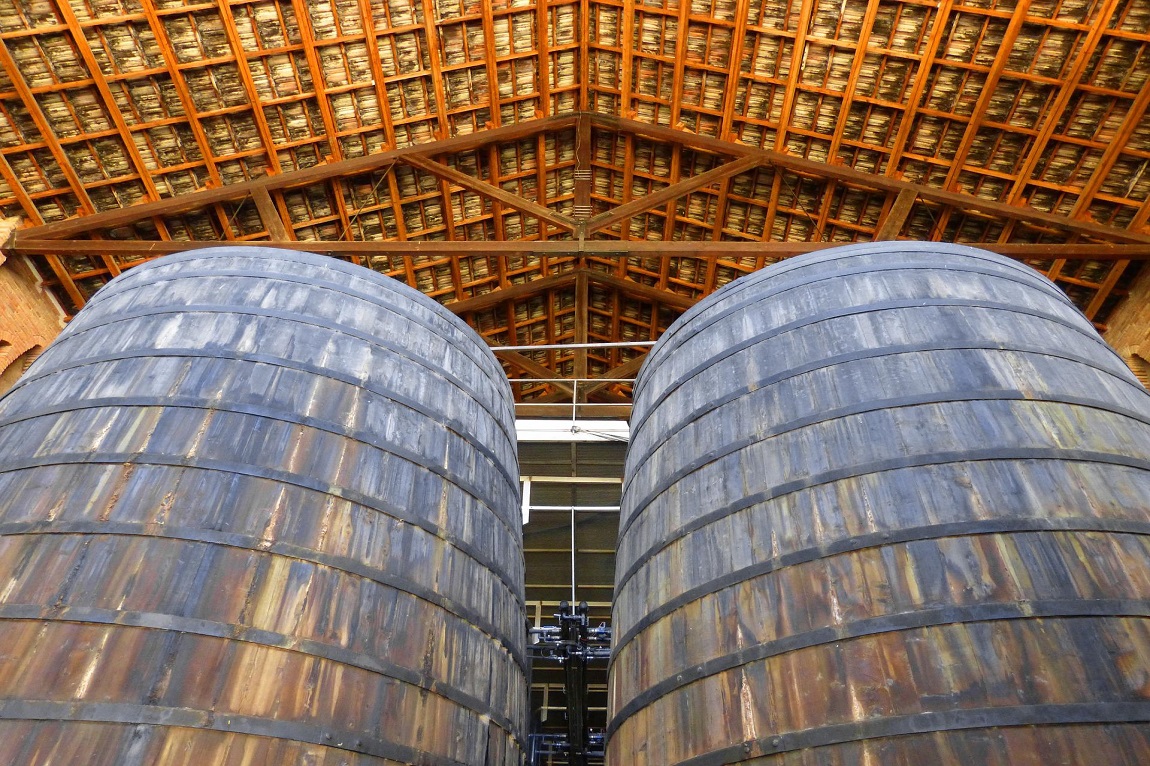
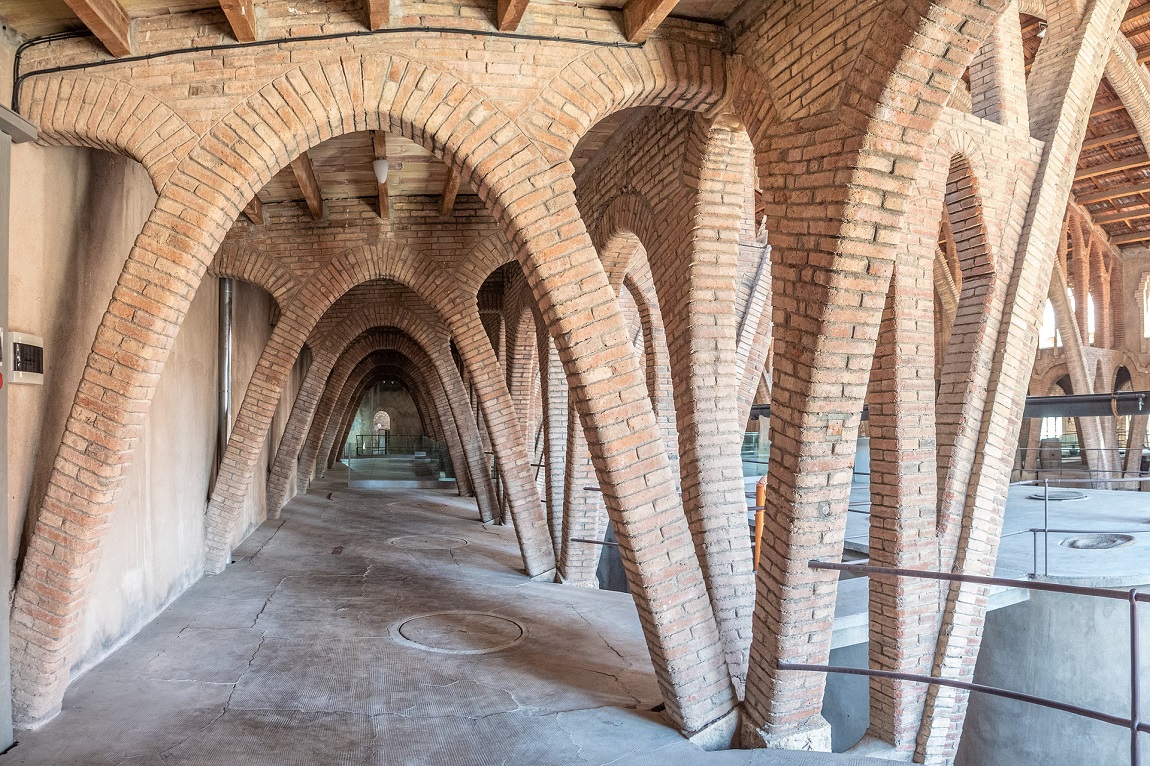
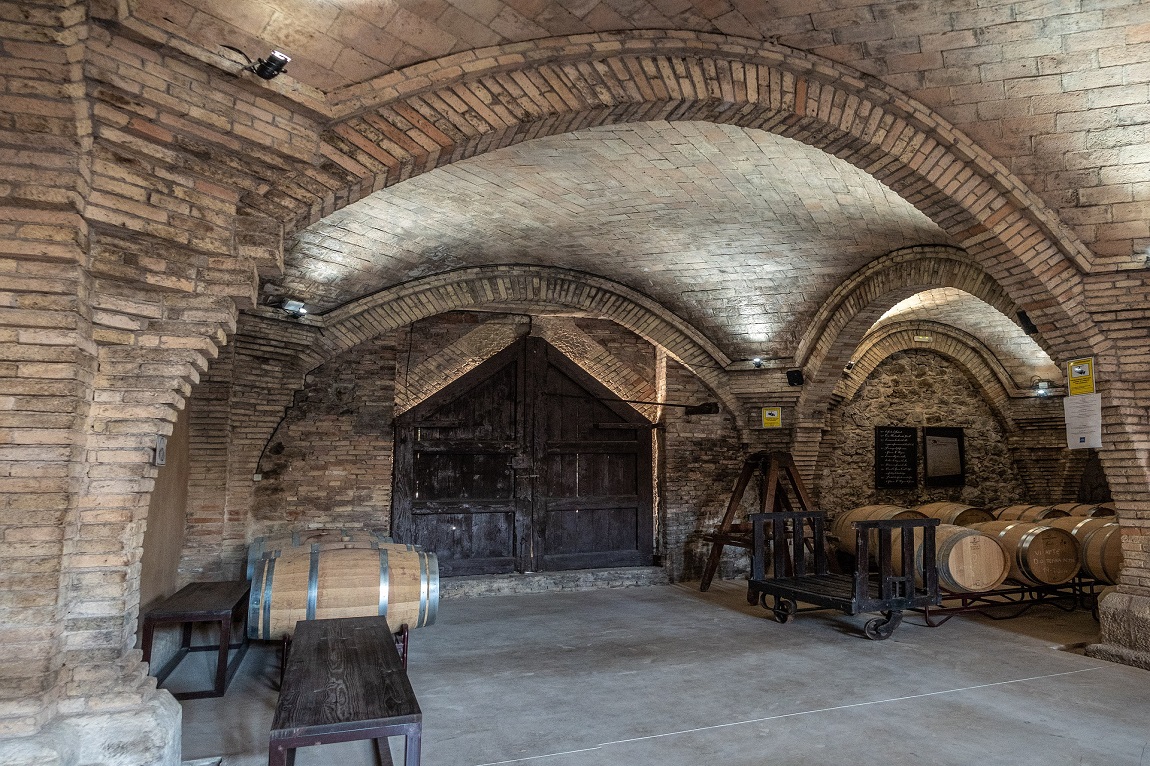
COOPERATIVE WINERY: in 1919 the construction of this cellar was commissioned to César Martinell. Modernist in style, it is considered one of the most representative of Catalonia.
CASTLE OF THE COUNTS OF PRADES: built in the s. XII, is located next to the remains of an old Romanesque church.
ARCHPRESTAL CHURCH; neoclassical style with baroque elements. Stones from the castle and the old church were used in its construction.
QUARTERA SQUARE
It is arcaded, some of its porches are original. At one end is the Palace of the Dukes of Medinacelli, in Renaissance style (1630) and the current town hall.
GRATALLOPS
Wine center that stands out for grouping the harvest of neighboring towns. In the Hermitage of the Consolació it is found in a very picturesque enclave.
VILELLA VAIXA
A very charming town, with very steep narrow streets and curious nooks and crannies. Carrer No Pasa has the old entrance portal of the wall, a clear exponent of medieval times.
We highlight the parish church (18th century) and the Romanesque bridge over the Montsant river.
CARTUJA D’ESCALA DEI
Ruined convent. It was built between the 12th and 13th centuries on the initiative of King Alfons II d’Aragó. It was the first Carthusian monastery on the peninsula, and gave the region the name of Priory.
Among its ruins we can see the Church, the cells of the Carthusians, a neoclassical portal, a small cloister, remains of the Great Cloister and other rooms.
We can find a reconstructed cell that will allow us to see how the monks lived.
It was from the Cartuja de Escaladei that the cultivation of the vineyard was introduced in the region, which turned out to be transcendental for the current wine fame of the area.
Currently some of its facilities are used for winemaking.
From the Monastery there is an impressive view of the Sierra del Montsant, which crosses the Priorat region from west to east, offering us countless excursions with fantastic views.
TORROJA DEL PRIORAT
Town of great tourist interest. Walking through its streets we can contemplate its pavement with fragments of pebbles.
In the Church of St. Miquel (18th century) there is an organ built in 1800. From the Balcó del Priorat you can see an excellent view of the Siurana valley.
PORRERA
It was formerly a fortified town. Stately homes abound, many of them are adorned with sundials and among them is the largest sundial in Catalonia.
Cellers have also been built
To highlight the Hermitage of St. Antoni (17th century) and the Parish Church (18th century).